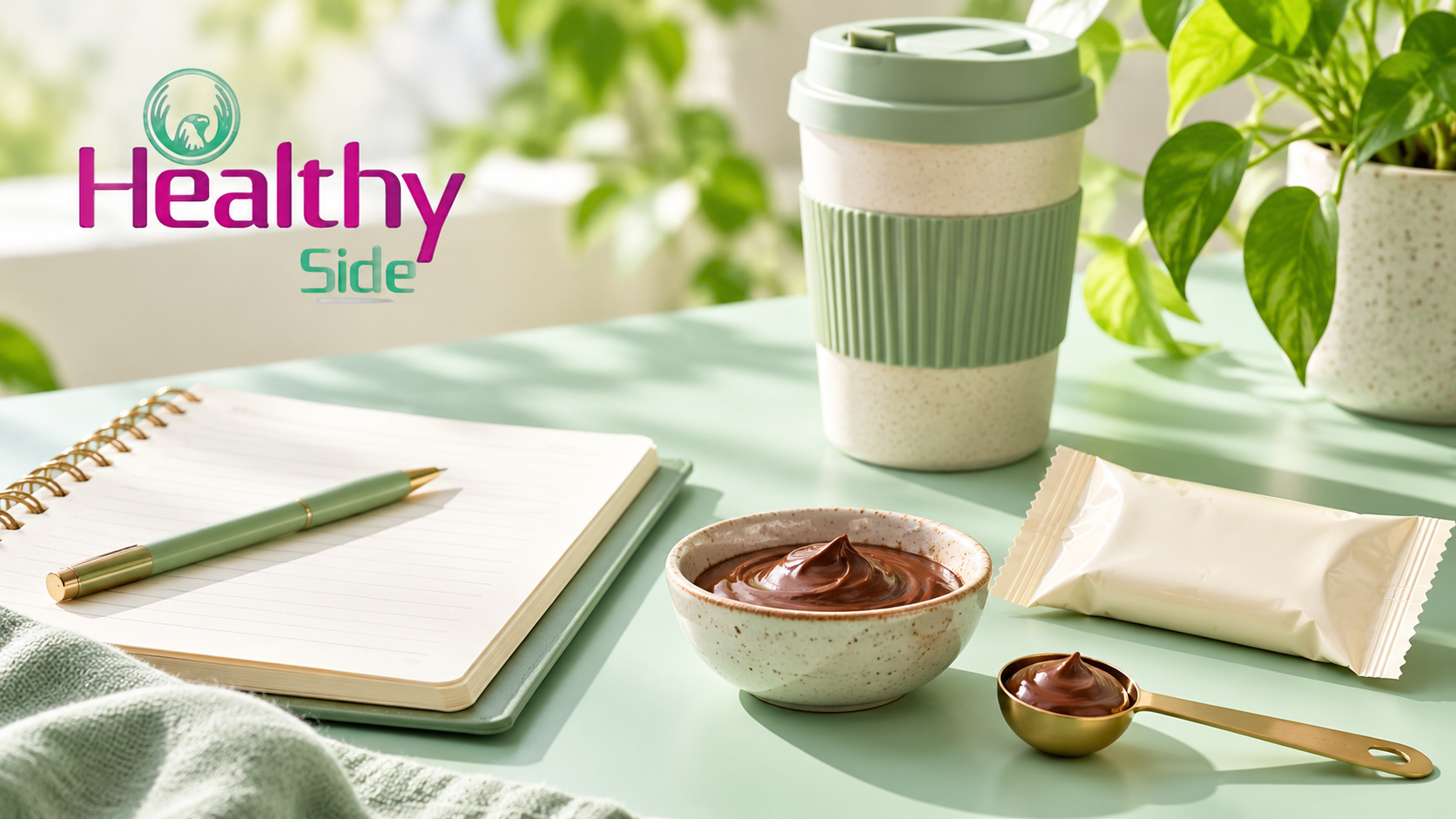
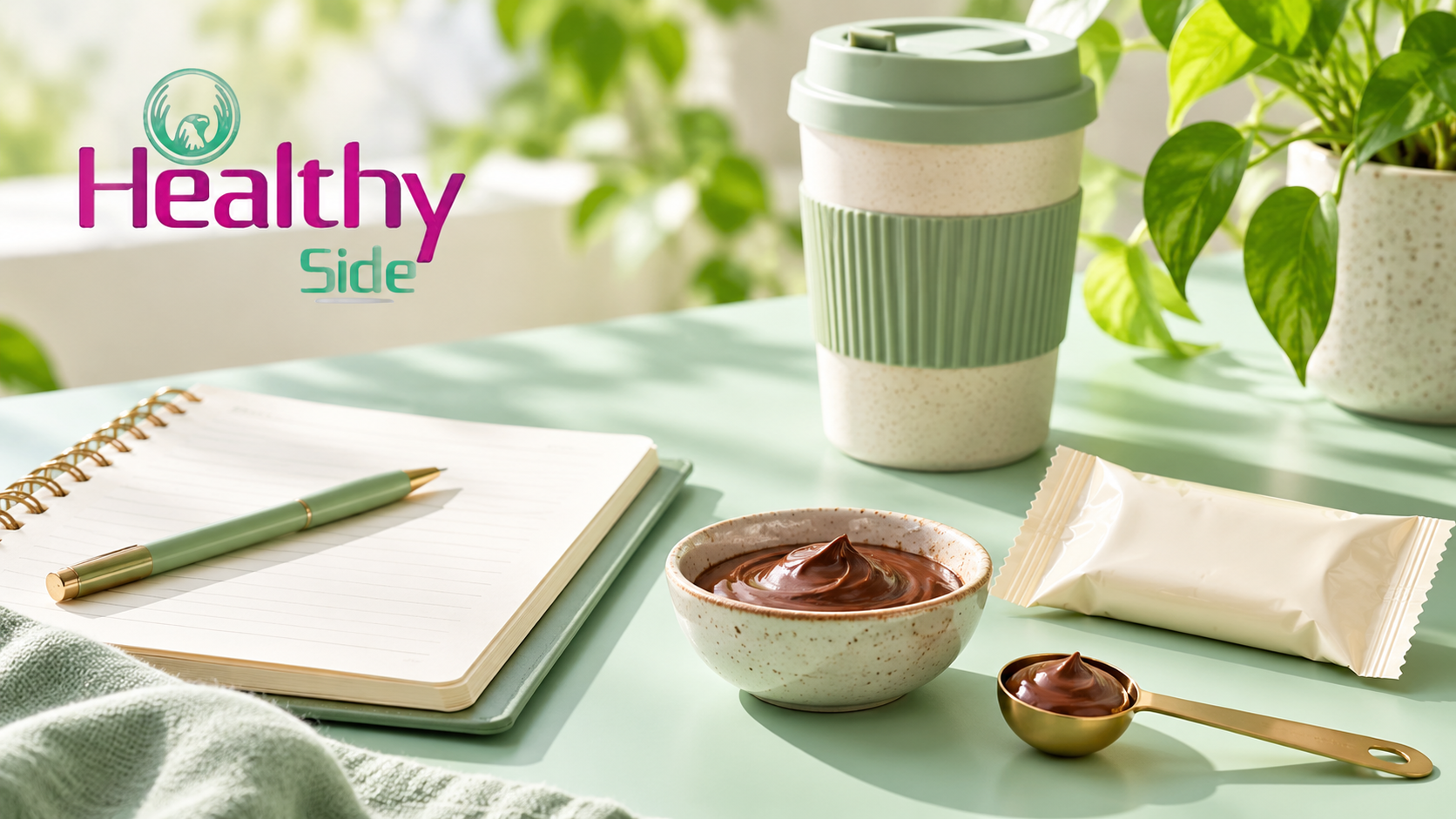
A small spoonful and a heaped spoonful may contain different amounts. If the label gives values in grams, use a measured weight rather than an undefined spoon description.
Start with the label serving
Record the weight used in the nutrition table. Do not assume a household spoon matches it. Choose an amount according to preference or your eating plan, then calculate its values.
Try a kitchen scale
Place a small dish on the scale, zero it and add the spread. Weigh your usual amount to understand it; this does not establish a recommended serving for everyone.
A fictional calculation
If 20 grams contains 8 grams of carbohydrate, a 10-gram amount contains 8 × 10 ÷ 20 = 4 grams. A 30-gram amount contains 12 grams. These numbers are examples, not product data.
Include accompanying food
Bread, crackers or fruit also form part of the meal. Follow the individual counting plan and check ingredients and allergens in each component.
Check storage
Use suitable clean utensils and follow directions after opening. Compare flavour, weight, sweeteners and nutrition rather than relying on zero or diet wording.
Measure a usual portion once and keep the result for future comparisons. Healthy Side is more than dieting.
حصة السبريد
كمية الشوكولاتة للدهن
قياس الملعقة