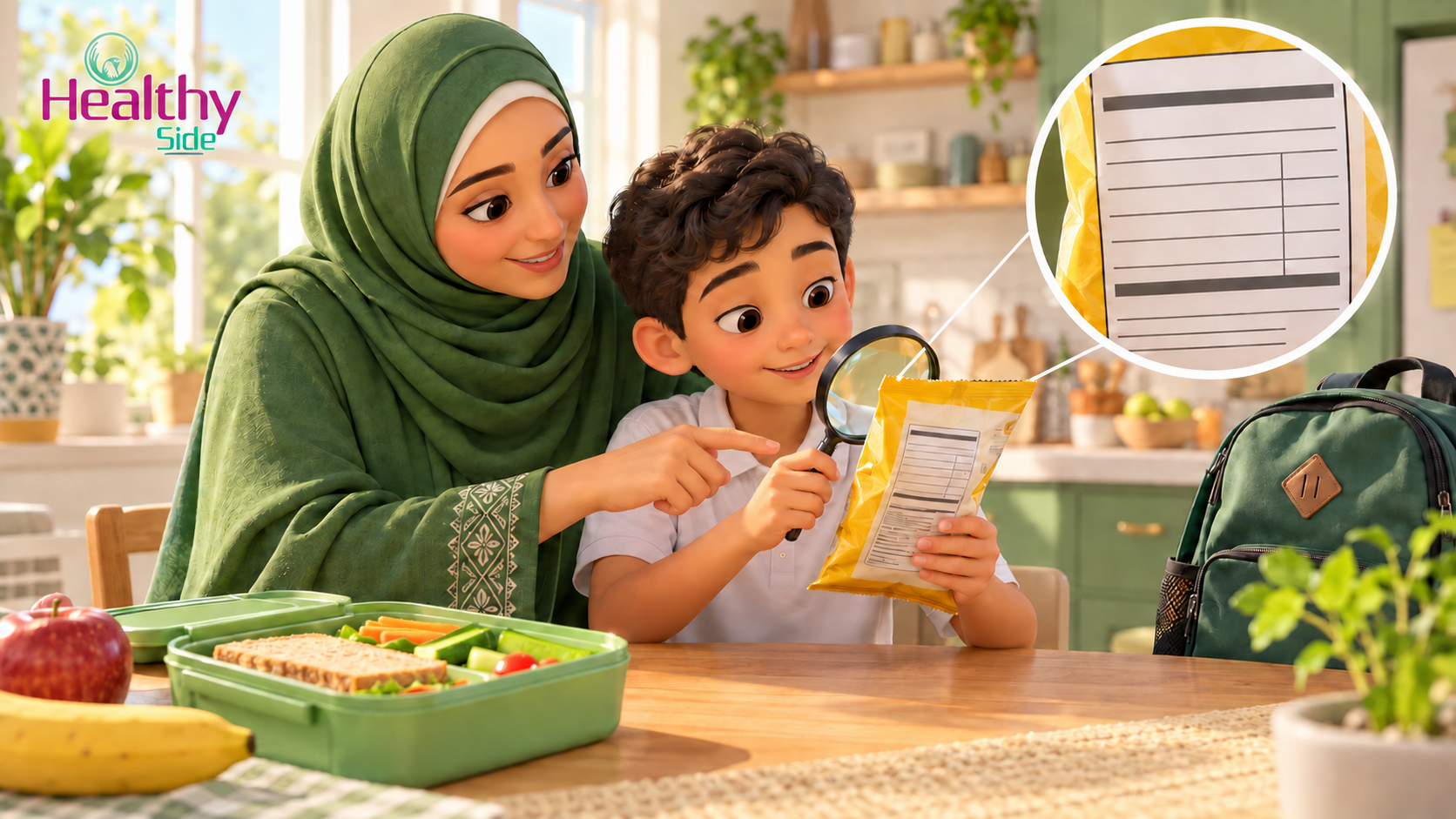
A small packet is not necessarily one serving, and “no added sugar” is not the end of the label check. When preparing a school lunchbox for a child with diabetes, check serving size, total carbohydrate, and the amount your child will actually eat. Use these details within your child's individual care plan.
Why isn't pack size enough?
The weight on the front tells you how much food the pack contains. The nutrition table may describe a smaller serving or give values per 100 g. One packet can contain several servings, so check the basis of the table before using its numbers.
Serving Size
Look for Serving Size near the top of the nutrition label. It may show grams and a number of pieces, such as 30 g or two pieces. This is the reference amount for the table, not a recommendation for how much your child should eat. Follow the portion guidance agreed with their diabetes care team.
Total Carbohydrate
Find Total Carbohydrate in grams. Checking sugars alone can miss starches. Sugars are already included in total carbohydrate; do not add them again. Follow your child's care team's counting method, including any instructions about fibre or sweeteners.
The actual portion
Illustrative example only, not a suggested portion: if a 30 g serving contains 18 g of carbohydrate:
• 15 g of food contains 9 g of carbohydrate.
• 30 g contains 18 g.
• 60 g contains 36 g.Calculate: carbohydrate per serving × (amount eaten ÷ serving weight). For values per 100 g, multiply by the weight eaten and divide by 100. A kitchen scale can help measure the amount accurately.
Include other carbohydrate sources in the lunchbox, such as bread, fruit, or drinks, using your child's care plan. Snack timing and carbohydrate needs are individual.
Why does no added sugar not mean no carbohydrate?
A product can contain starches or naturally occurring sugars even when sugar has not been added during production. The claim alone cannot tell you its carbohydrate content or whether it fits your child's plan. Check the nutrition table, ingredients, and actual portion.
Reesha's three-number label game
Invite your child to help you find the serving size, total carbohydrate, and the amount going into the lunchbox. Keep food and treatment decisions with the parent and care team while helping your child learn.
A quick school-snack check
• Read the current original packaging.
• Check serving size and measure the amount eaten.
• Review total carbohydrate, ingredients, and allergens.
• Review new choices against your child's plan. Do not change medication doses based on this article.Watch the Reesha video associated with this article, and review every new choice against your child's care plan.
Healthy Side is more than dieting: clearer information supports more informed everyday choices.
Sources
• CDC: Carb Counting: https://www.cdc.gov/diabetes/healthy-eating/carb-counting-manage-blood-sugar.html
• FDA: The Nutrition Facts Label: https://www.fda.gov/food/nutrition-education-resources-materials/nutrition-facts-label
• FDA: Added Sugars: https://www.fda.gov/food/nutrition-facts-label/added-sugars-nutrition-facts-label
Why isn't pack size enough?
The weight on the front tells you how much food the pack contains. The nutrition table may describe a smaller serving or give values per 100 g. One packet can contain several servings, so check the basis of the table before using its numbers.
Serving Size
Look for Serving Size near the top of the nutrition label. It may show grams and a number of pieces, such as 30 g or two pieces. This is the reference amount for the table, not a recommendation for how much your child should eat. Follow the portion guidance agreed with their diabetes care team.
Total Carbohydrate
Find Total Carbohydrate in grams. Checking sugars alone can miss starches. Sugars are already included in total carbohydrate; do not add them again. Follow your child's care team's counting method, including any instructions about fibre or sweeteners.
The actual portion
Illustrative example only, not a suggested portion: if a 30 g serving contains 18 g of carbohydrate:
• 15 g of food contains 9 g of carbohydrate.
• 30 g contains 18 g.
• 60 g contains 36 g.Calculate: carbohydrate per serving × (amount eaten ÷ serving weight). For values per 100 g, multiply by the weight eaten and divide by 100. A kitchen scale can help measure the amount accurately.
Include other carbohydrate sources in the lunchbox, such as bread, fruit, or drinks, using your child's care plan. Snack timing and carbohydrate needs are individual.
Why does no added sugar not mean no carbohydrate?
A product can contain starches or naturally occurring sugars even when sugar has not been added during production. The claim alone cannot tell you its carbohydrate content or whether it fits your child's plan. Check the nutrition table, ingredients, and actual portion.
Reesha's three-number label game
Invite your child to help you find the serving size, total carbohydrate, and the amount going into the lunchbox. Keep food and treatment decisions with the parent and care team while helping your child learn.
A quick school-snack check
• Read the current original packaging.
• Check serving size and measure the amount eaten.
• Review total carbohydrate, ingredients, and allergens.
• Review new choices against your child's plan. Do not change medication doses based on this article.Watch the Reesha video associated with this article, and review every new choice against your child's care plan.
Healthy Side is more than dieting: clearer information supports more informed everyday choices.
Sources
• CDC: Carb Counting: https://www.cdc.gov/diabetes/healthy-eating/carb-counting-manage-blood-sugar.html
• FDA: The Nutrition Facts Label: https://www.fda.gov/food/nutrition-education-resources-materials/nutrition-facts-label
• FDA: Added Sugars: https://www.fda.gov/food/nutrition-facts-label/added-sugars-nutrition-facts-label
سناك طفل السكري
كربوهيدرات السناك
لانش بوكس السكري
حجم الحصة
إجمالي الكربوهيدرات
school snacks for children with diabetes
serving size
total carbohydrate