Is Whole Wheat Safe for People with Wheat Allergy?
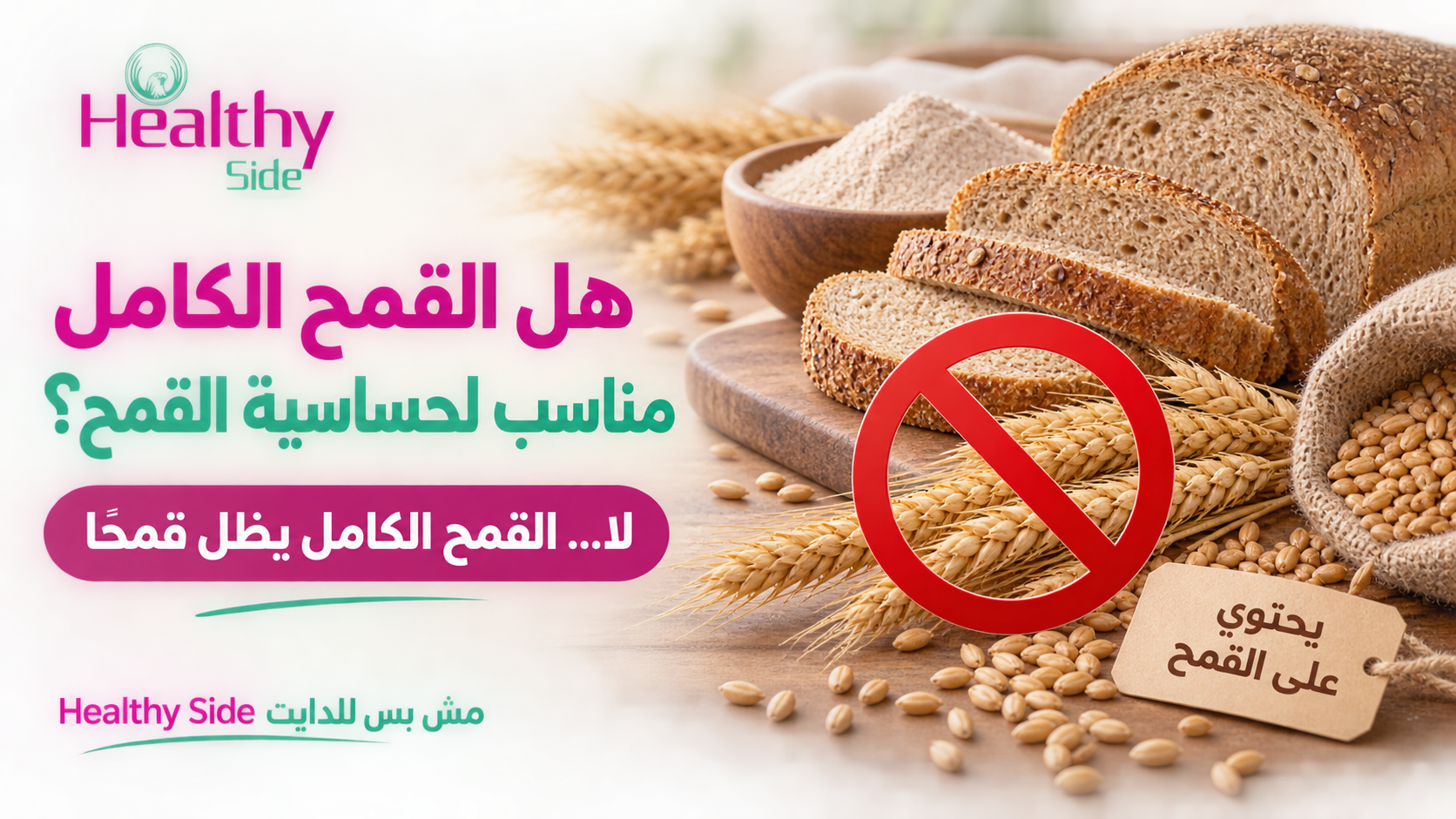
The short answer is no. Whole wheat may offer more fiber than refined wheat, but it is still wheat and contains wheat proteins that may trigger an allergic reaction.
The term “whole” describes how much of the wheat kernel remains in the product. It does not mean that wheat allergens have been removed.
What Is Wheat Allergy?
Wheat allergy is an immune reaction to one or more proteins found in wheat. Possible symptoms include hives, itching, swelling, digestive symptoms, wheezing, breathing difficulties and, in severe cases, anaphylaxis.
Symptoms alone cannot confirm the diagnosis because several conditions can cause similar reactions. An allergist should perform the appropriate medical assessment.
Why Is Whole Wheat Unsafe?
Whole-wheat flour contains the bran, germ and endosperm of the wheat kernel. Keeping the whole kernel does not remove the proteins that can cause an allergic reaction.
People with a confirmed wheat allergy generally need to avoid products such as:
Whole-wheat bread.
Whole-wheat pasta.
Bran baked goods.
Bulgur.
Semolina.
Brown wheat flour.
Products that list wheat as an ingredient.
A food’s nutritional benefits do not make its allergen safe.
Wheat Allergy vs. Celiac Disease
Wheat allergy and celiac disease are different conditions.
Wheat allergy is an allergic immune reaction to wheat proteins. Celiac disease is an autoimmune condition triggered by gluten, which is found in wheat, barley and rye.
People with celiac disease require a strict gluten-free diet. A person with wheat allergy may not automatically react to barley or rye, but their individual restrictions should be determined by a healthcare professional.
Does Gluten-Free Mean Wheat-Free?
Not always.
Some gluten-free products may use specially processed wheat-derived ingredients that meet gluten-free standards. Such products may be acceptable for some people with celiac disease but may not be safe for people allergic to wheat proteins.
People with wheat allergy should look specifically for wheat in the ingredient and allergen statements and seek medical advice when a label is unclear.
How to Read Food Labels
Check the label every time you purchase a product because recipes and manufacturing practices may change.
Review:
The complete ingredient list.
The allergen statement.
Statements such as “contains wheat.”
Advisory warnings about possible cross-contact.
Information supplied by the manufacturer.
Do not rely on words such as “natural,” “healthy,” “brown” or “whole grain.”
Wheat-Free Alternatives
Naturally wheat-free options may include rice, corn, potatoes, quinoa, buckwheat, amaranth and legumes.
However, naturally wheat-free ingredients can still be exposed to wheat during processing. The finished product and its labeling must be evaluated, not only the main ingredient.
Conclusion
Whole wheat is not suitable for someone with a confirmed wheat allergy. Although it can offer nutritional benefits for people who tolerate wheat, it still contains the proteins responsible for allergic reactions.
Choose products based on the full ingredient list, allergen information and professional medical advice.
Healthy Side مش بس للدايت
The short answer is no. Whole wheat may offer more fiber than refined wheat, but it is still wheat and contains wheat proteins that may trigger an allergic reaction.
The term “whole” describes how much of the wheat kernel remains in the product. It does not mean that wheat allergens have been removed.
What Is Wheat Allergy?
Wheat allergy is an immune reaction to one or more proteins found in wheat. Possible symptoms include hives, itching, swelling, digestive symptoms, wheezing, breathing difficulties and, in severe cases, anaphylaxis.
Symptoms alone cannot confirm the diagnosis because several conditions can cause similar reactions. An allergist should perform the appropriate medical assessment.
Why Is Whole Wheat Unsafe?
Whole-wheat flour contains the bran, germ and endosperm of the wheat kernel. Keeping the whole kernel does not remove the proteins that can cause an allergic reaction.
People with a confirmed wheat allergy generally need to avoid products such as:
Whole-wheat bread.
Whole-wheat pasta.
Bran baked goods.
Bulgur.
Semolina.
Brown wheat flour.
Products that list wheat as an ingredient.
A food’s nutritional benefits do not make its allergen safe.
Wheat Allergy vs. Celiac Disease
Wheat allergy and celiac disease are different conditions.
Wheat allergy is an allergic immune reaction to wheat proteins. Celiac disease is an autoimmune condition triggered by gluten, which is found in wheat, barley and rye.
People with celiac disease require a strict gluten-free diet. A person with wheat allergy may not automatically react to barley or rye, but their individual restrictions should be determined by a healthcare professional.
Does Gluten-Free Mean Wheat-Free?
Not always.
Some gluten-free products may use specially processed wheat-derived ingredients that meet gluten-free standards. Such products may be acceptable for some people with celiac disease but may not be safe for people allergic to wheat proteins.
People with wheat allergy should look specifically for wheat in the ingredient and allergen statements and seek medical advice when a label is unclear.
How to Read Food Labels
Check the label every time you purchase a product because recipes and manufacturing practices may change.
Review:
The complete ingredient list.
The allergen statement.
Statements such as “contains wheat.”
Advisory warnings about possible cross-contact.
Information supplied by the manufacturer.
Do not rely on words such as “natural,” “healthy,” “brown” or “whole grain.”
Wheat-Free Alternatives
Naturally wheat-free options may include rice, corn, potatoes, quinoa, buckwheat, amaranth and legumes.
However, naturally wheat-free ingredients can still be exposed to wheat during processing. The finished product and its labeling must be evaluated, not only the main ingredient.
Conclusion
Whole wheat is not suitable for someone with a confirmed wheat allergy. Although it can offer nutritional benefits for people who tolerate wheat, it still contains the proteins responsible for allergic reactions.
Choose products based on the full ingredient list, allergen information and professional medical advice.
Healthy Side مش بس للدايت
حساسية القمح، القمح الكامل وحساسية القمح، هل القمح الكامل خالي من الجلوتين، الفرق بين حساسية القمح والسيلياك، بدائل القمح، منتجات خالية من القمح، حساسية الجلوتين، مكرونة القمح الكامل، قراءة مسببات الحساسية، التلوث التبادلي